A shredder is a set of hardened cutters pulling paper past each other. Paper is abrasive and produces dust. Without lubrication the cutters lose their edge and the motor works harder, and the machine gradually loses capacity until it jams on six sheets.
Nearly every shredder we see described as worn out has never been oiled.
How often
The manufacturer’s guidance is usually every time you empty the bin, or every 30 minutes of running. That is a reasonable rule. In practice, once a month for home use and weekly for daily office use will keep a machine healthy.
Micro-cut machines need it more often than cross-cut, because the cutters are finer and there is more surface in contact.
What to use
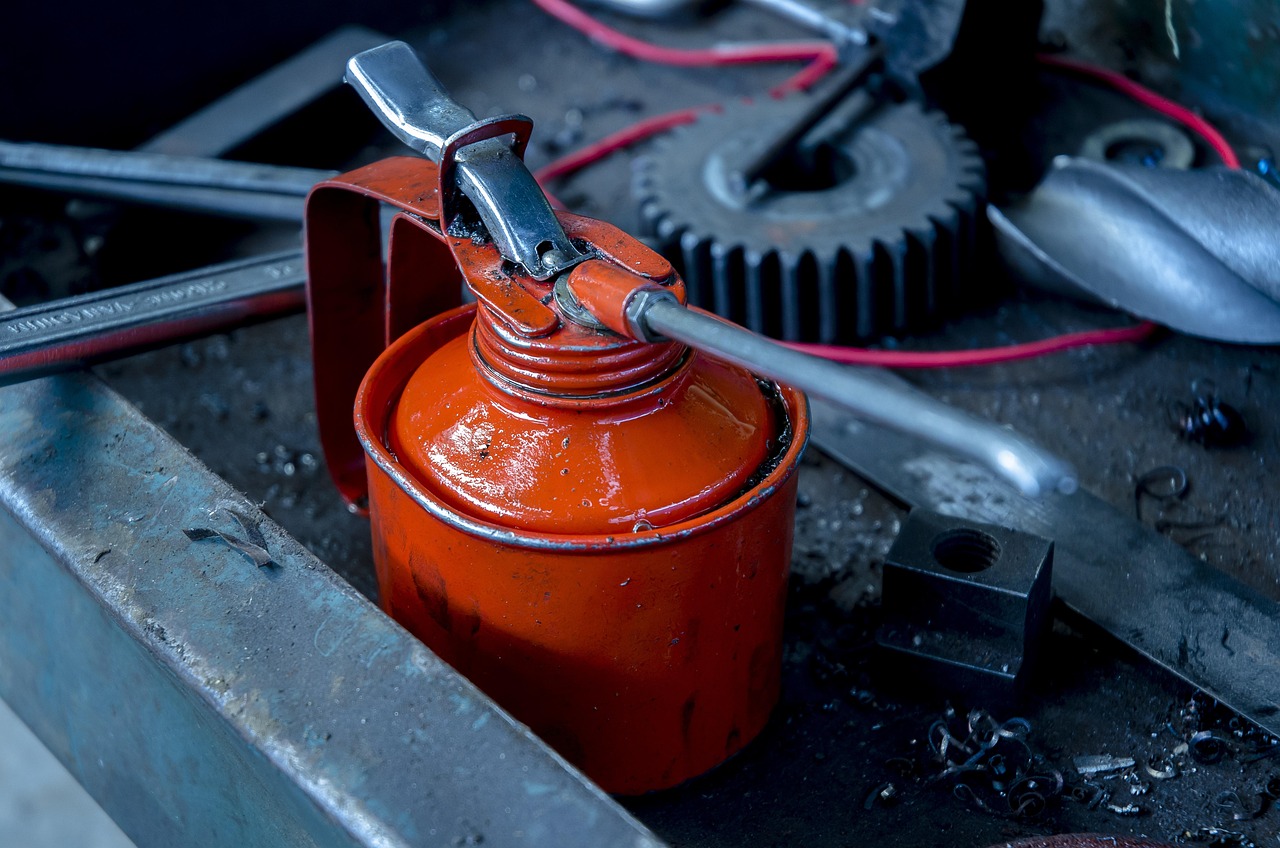
Shredder oil, or a proprietary oiled sheet. That is the whole list.
Do not use aerosol lubricants. Most contain petroleum distillates and propellants that are flammable and can damage plastic components. A shredder is full of paper dust, which is itself combustible. This is the one maintenance mistake with a genuine safety consequence.
Vegetable oil gums up. Motor oil is too heavy. Use the oil made for the purpose; a bottle lasts a year.
How to oil it
- Empty the bin first. Oiling into a full bin is pointless.
- With the machine on and in normal forward mode, squeeze a line of oil across the width of the feed opening, in a zig-zag.
- Run the machine in reverse for a few seconds, then forward for a few seconds. Repeat twice. This distributes the oil across both cutter shafts.
- Feed two or three sheets of scrap paper through to spread it evenly and pick up excess.
Oiled sheets are a pre-soaked alternative: you shred the sheet and it does the same job. They cost more per application but they are harder to overdo.
Do not over-oil
Excess oil collects paper dust and forms a paste, which is worse than dry. A line across the opening is enough; a puddle is not better.
Emptying the bin properly
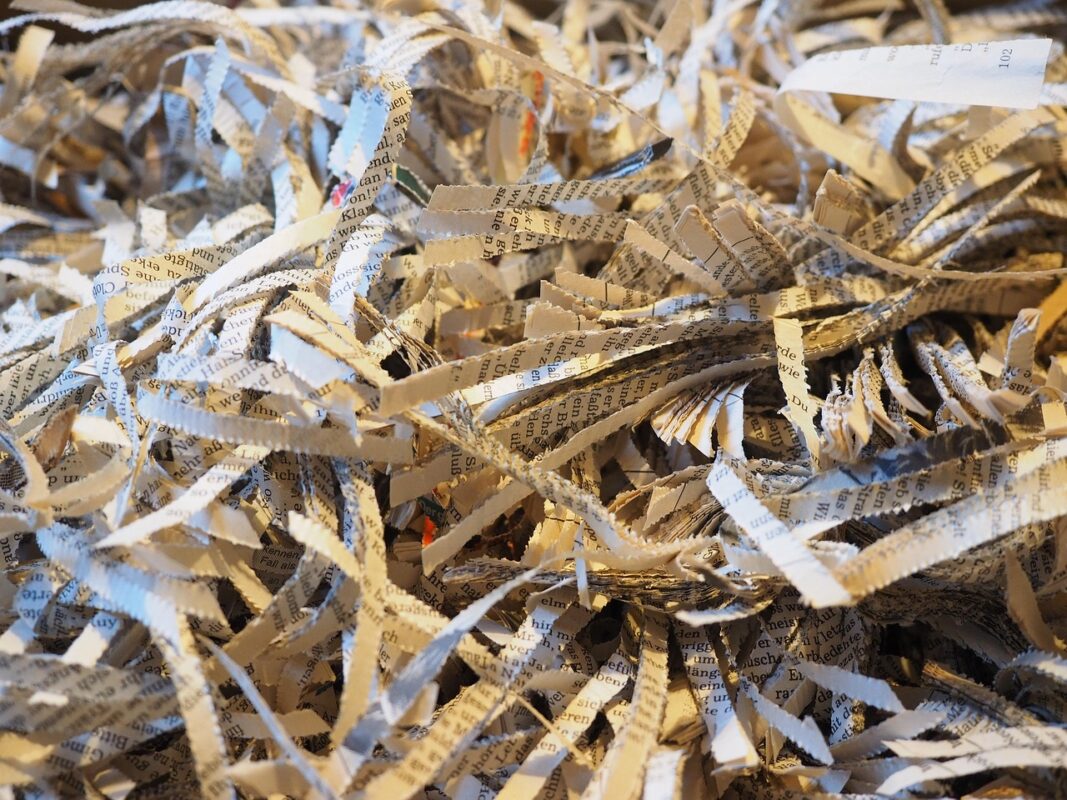
Empty at about three-quarters full rather than completely full. Cuttings pack down and back up into the cutting head, and a backed-up head is the cause of many jams that look like blade failures.
If the machine has a bin-full sensor, trust it. If it does not, a look every few sessions is enough.
Keeping the sensor clean
Most shredders start automatically when paper interrupts an infrared beam at the feed slot. Dust on that sensor makes the machine either refuse to start or run continuously.
Unplug the machine and wipe the slot with a dry cloth or a cotton bud. A machine that runs without paper in it almost always has a dirty or obstructed sensor.
Clearing a jam without damage
- Switch to reverse and hold until the paper backs out.
- If it will not reverse, unplug the machine before touching the slot. The auto-start sensor does not know the difference between paper and a finger.
- Remove what you can with tweezers or pliers, never fingers.
- Oil the cutters before resuming — a jam usually means they were dry.
If the machine trips its thermal cut-out, leave it for the full cool-down. Repeatedly switching it back on early is how motors are destroyed.
Storage
Keep it somewhere dry. Damp air rusts the cutters, and a rusted cutter never cuts cleanly again. If a machine is going into storage for a long period, oil it first — the oil film is what protects the steel.
When it is genuinely finished
Cutters that will not take three sheets after oiling, a motor that trips within a minute, or a cracked cutting head. Everything else is usually maintenance.
See the machine range, or contact the Phoenix counter if you are unsure whether a machine is worn out or just dry.