“High security” is a marketing phrase. DIN 66399 is a standard. It defines seven protection levels by the size of the particles a machine produces, and it is the only number worth comparing between shredders.
The seven levels
P-1 and P-2 — strip cut
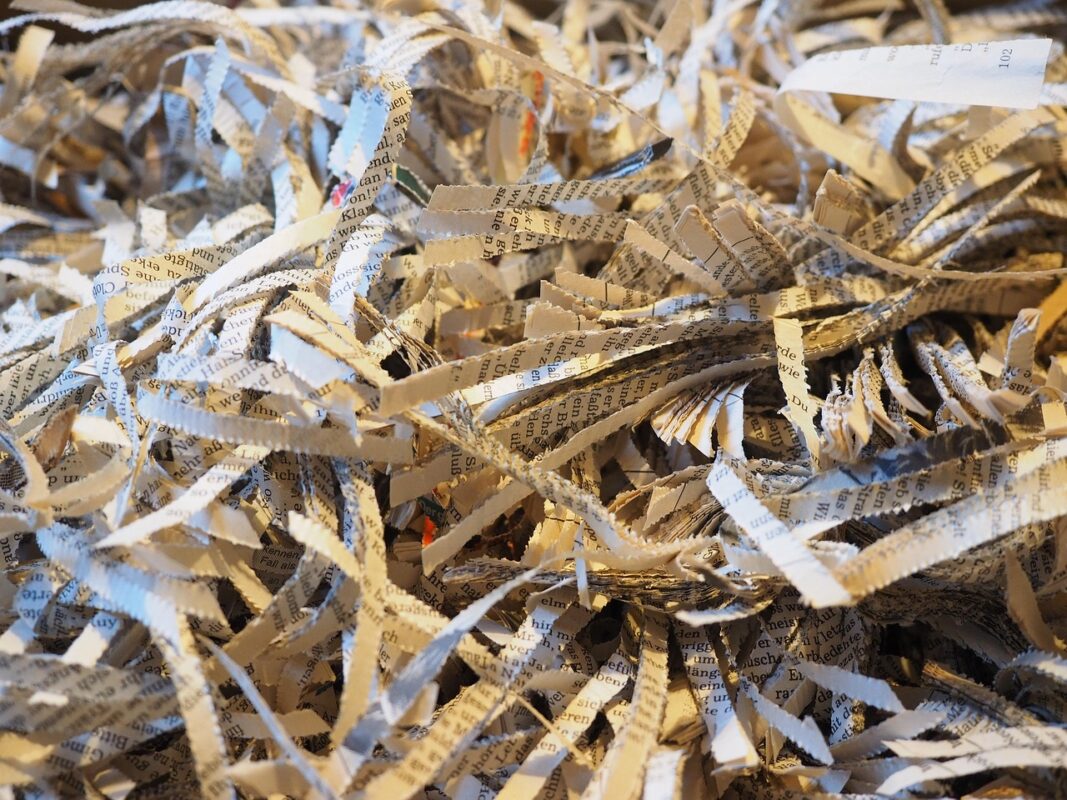
Long strips, 12 mm wide at P-1 and 6 mm at P-2. A determined person with time can reassemble a P-1 document; this has been demonstrated repeatedly. Suitable only for general printed material you would be indifferent about someone reading.
P-3 — cross cut, general confidential
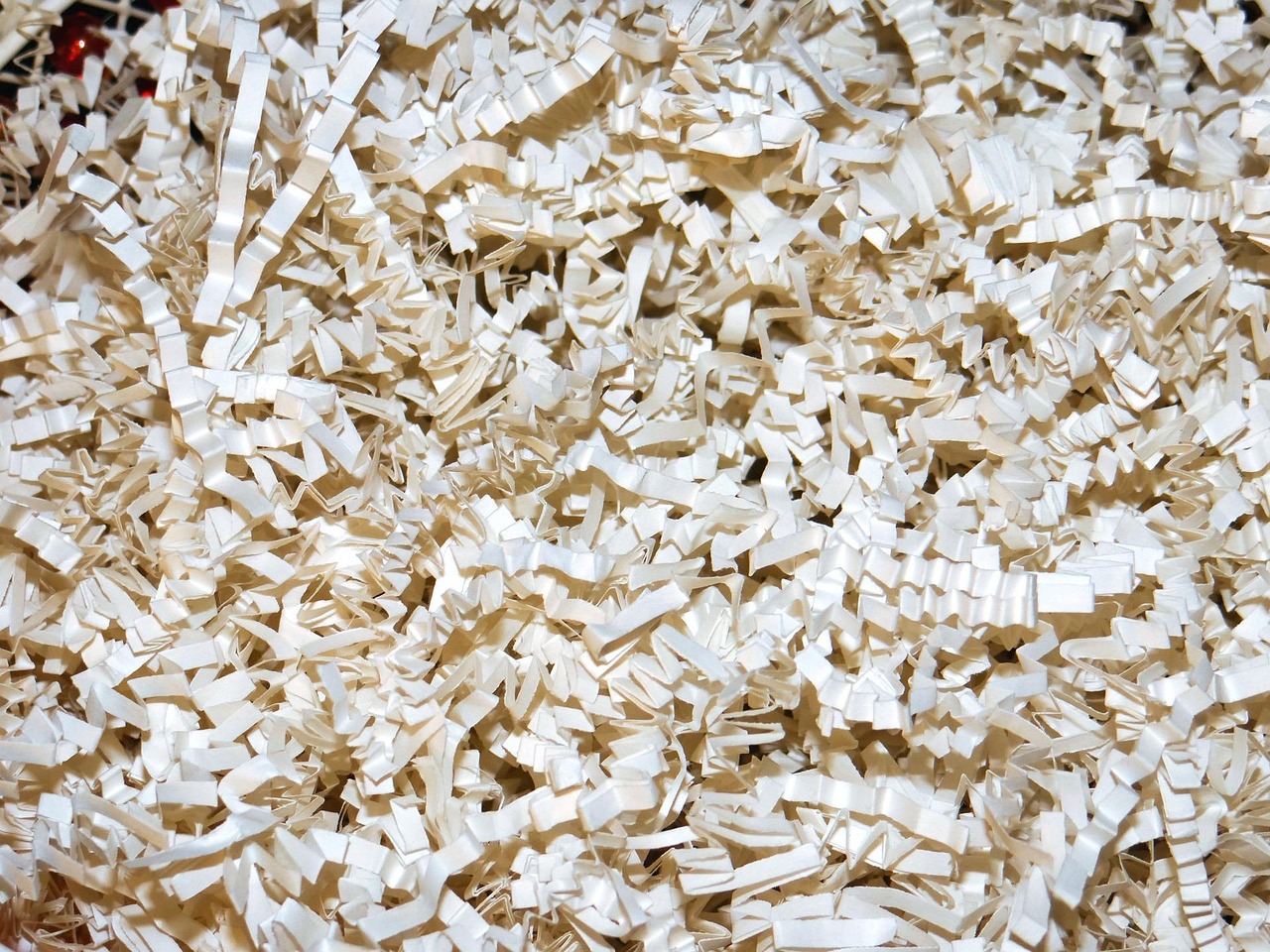
Particles of up to 320 mm². This is the entry point for anything you would describe as confidential: internal memos, drafts, general business correspondence. It is a genuine improvement over strip cut because reassembly stops being a weekend job and becomes an implausible one.
P-4 — cross cut, sensitive personal data
Particles up to 160 mm², typically around 4 × 40 mm. This is the level most guidance points to for documents containing personal data — names with addresses, account numbers, payroll, medical appointments, anything carrying a signature.
For most homes and small businesses, P-4 is the right answer. It is widely available, it is not much more expensive than P-3, and it covers the material people actually worry about.
P-5 — micro cut, confidential and secret
Particles up to 30 mm², roughly 2 × 15 mm. Used where the consequences of disclosure are serious: legal files, financial records, HR investigations, identity documents.
The tradeoff is throughput. Cutting paper into pieces that small takes more work, so P-5 machines generally accept fewer sheets per pass and fill their bins faster.
P-6 and P-7 — high secret
Particles of 10 mm² and 5 mm² respectively. These are specification levels for classified government and defence material. They are slow, expensive, and unnecessary for commercial use.
Choosing your level honestly
The practical question is not “how secret is this document” but “what could someone do with it if they had it”. A utility bill is not secret, but it carries a name and address, which is one component of an identity theft.
- Junk mail, envelopes, general printing: P-3 is ample.
- Anything with a name plus a number: P-4.
- Financial, legal, medical, HR: P-5.
Most households and small offices are best served by a single P-4 machine used for everything, rather than two machines and a decision to make each time. A decision to make each time is a decision that eventually goes the wrong way.
What the rating does not tell you
P-level describes the output particle size only. It says nothing about:
- Sheet capacity — how many pages per pass.
- Duty cycle — how long before it needs to cool.
- Whether it takes staples, clips, cards or discs.
- Bin size — a P-5 machine fills its bin far faster than a P-3, because the same paper occupies more volume once cut small.
A P-5 machine with a 4-sheet capacity and a small bin will be more annoying to live with than a P-4 with a 12-sheet capacity, and the security difference will not matter for most of what you feed it.
Media other than paper
DIN 66399 also defines levels for optical media (O), magnetic media (T) and hard drives (H). A shredder rated to destroy CDs is doing a different job from one rated for paper, and a machine with a separate CD slot usually cuts them far more coarsely than it cuts paper. If you need optical media destroyed to a specific standard, check the O rating rather than assuming the paper rating applies.
Reading our listings
Every machine in our range shows its DIN level and its cut size. Where a machine has a separate card or disc slot, that is stated too. Browse by cut type: Cross-Cut, Micro-Cut, or Auto-Feed.