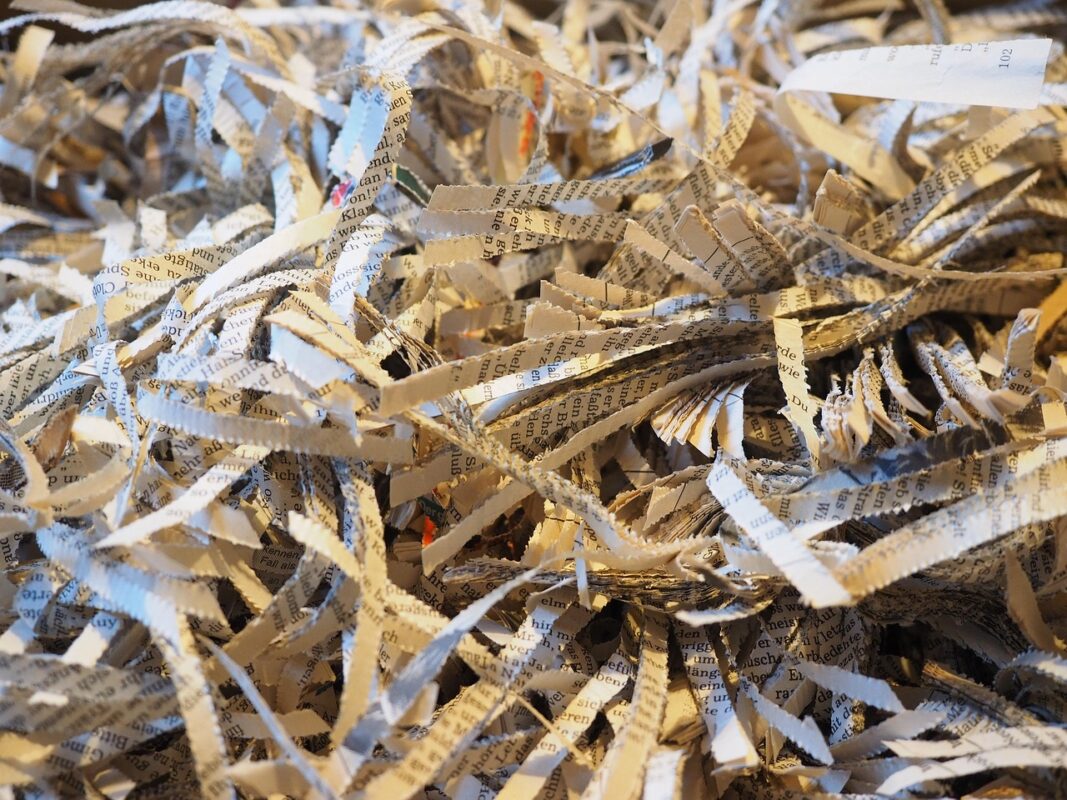
Shredding everything is as unhelpful as shredding nothing. The useful question is which pieces of paper carry information that identifies you or authorises something in your name.
What follows is general guidance for sorting, not legal or tax advice. Retention requirements vary by jurisdiction and by circumstance — where a document may be needed for tax, warranty or legal reasons, check the applicable rules before destroying it.
The identity test
Before anything goes in the recycling, ask: does this carry a full name together with any of the following?
- A home address
- A date of birth
- An account, policy or reference number
- A signature
- Any part of a payment card or bank number
Name plus any one of those is enough to be worth destroying. Name alone, on a magazine wrapper, is not.
Shred without hesitation
- Bank and card statements once you no longer need them
- Pre-approved credit offers — these are the highest-value item to a fraudster in the entire post pile
- Anything with a signature
- Utility bills, once the account is settled and no longer needed as proof of address
- Medical and insurance correspondence
- Payslips and tax correspondence past their retention period
- Expired cards, cheque books and cheque stubs
- Delivery labels and packing slips — they carry your address and often an order history
Keep, and store securely
These are the documents where replacement is difficult or impossible:
- Birth, marriage and death certificates
- Passports and identity documents
- Property deeds, mortgage and tenancy agreements
- Wills and powers of attorney
- Vehicle titles
- Educational and professional certificates
- Current insurance policies
These belong in a fireproof box or a safe deposit box, not a drawer, and certainly not in the pile waiting for the shredder.
Keep for a defined period, then shred
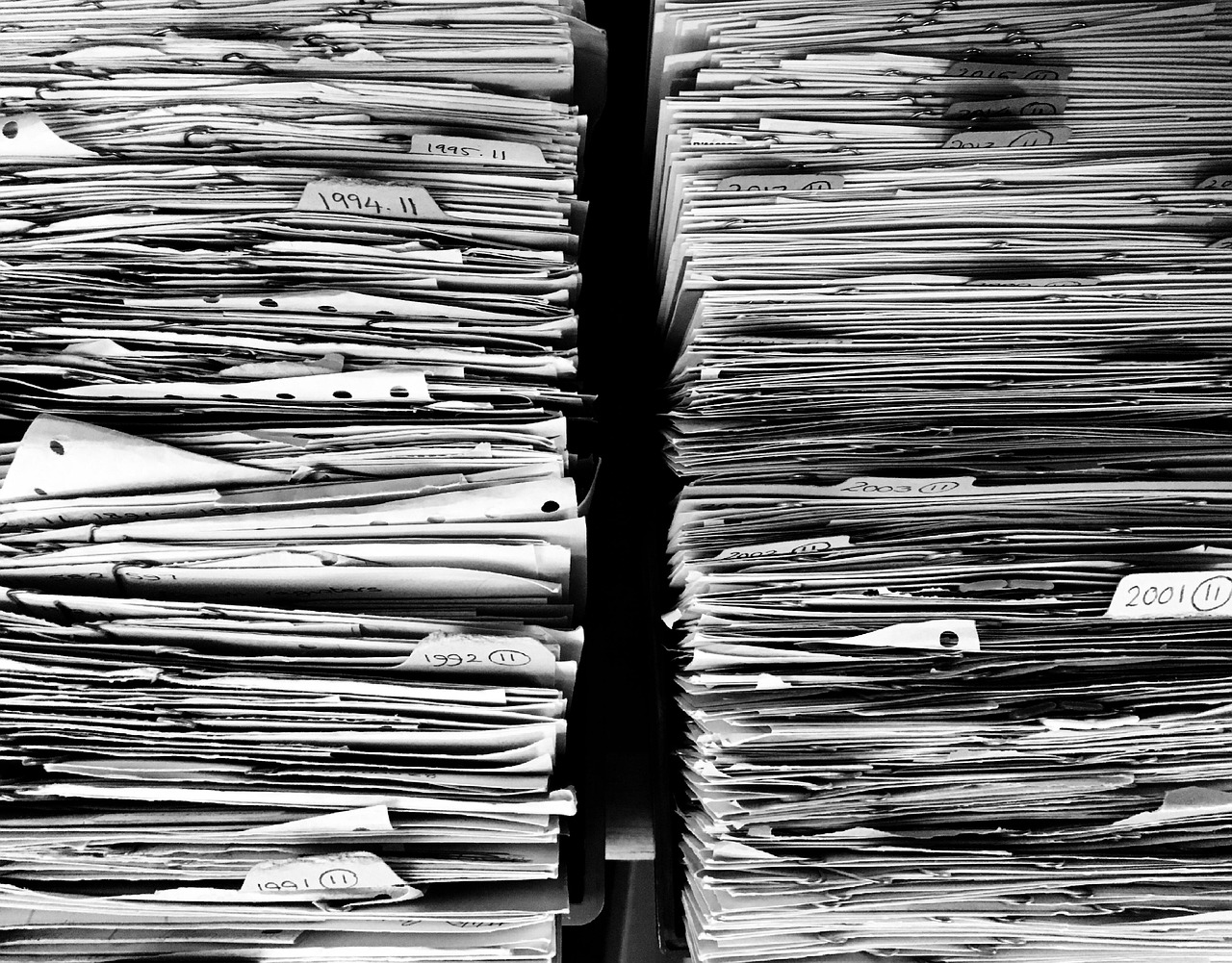
Tax records, receipts for warranty and insurance purposes, and business records all have retention periods set by rules that differ by place and by type of taxpayer. The practical approach is a labelled box per year: everything goes in, and when the retention period for that year expires, the whole box goes through the shredder.
This removes the need to make a decision per document, which is what causes paper to accumulate indefinitely.
Where shredding is the wrong tool
- Digital records. A shredded statement is no protection if the same statement is in an unsecured email inbox.
- Hard drives and USB sticks. A different destruction method entirely.
- Documents subject to a legal hold. If there is any prospect of litigation or an investigation, destruction may itself be an offence. Take advice first.
A workflow that survives contact with real life
The reason paper accumulates is that sorting is a separate task from receiving. Make it the same task:
- Open post standing next to two bins: recycling and shred.
- Envelopes and marketing without a name go straight to recycling.
- Anything passing the identity test goes to shred, unopened if you do not need it.
- Anything to keep goes to a single tray, sorted properly once a month.
The shred bin gets emptied into the machine weekly. Nothing accumulates because nothing waits for a decision.
Sizing the machine to the habit
If you sort daily and shred weekly, a 12–16 sheet machine with a 30-litre bin is comfortable. If you let it build to a monthly session, you want auto-feed. Browse our Auto-Feed Shredders or the full range.