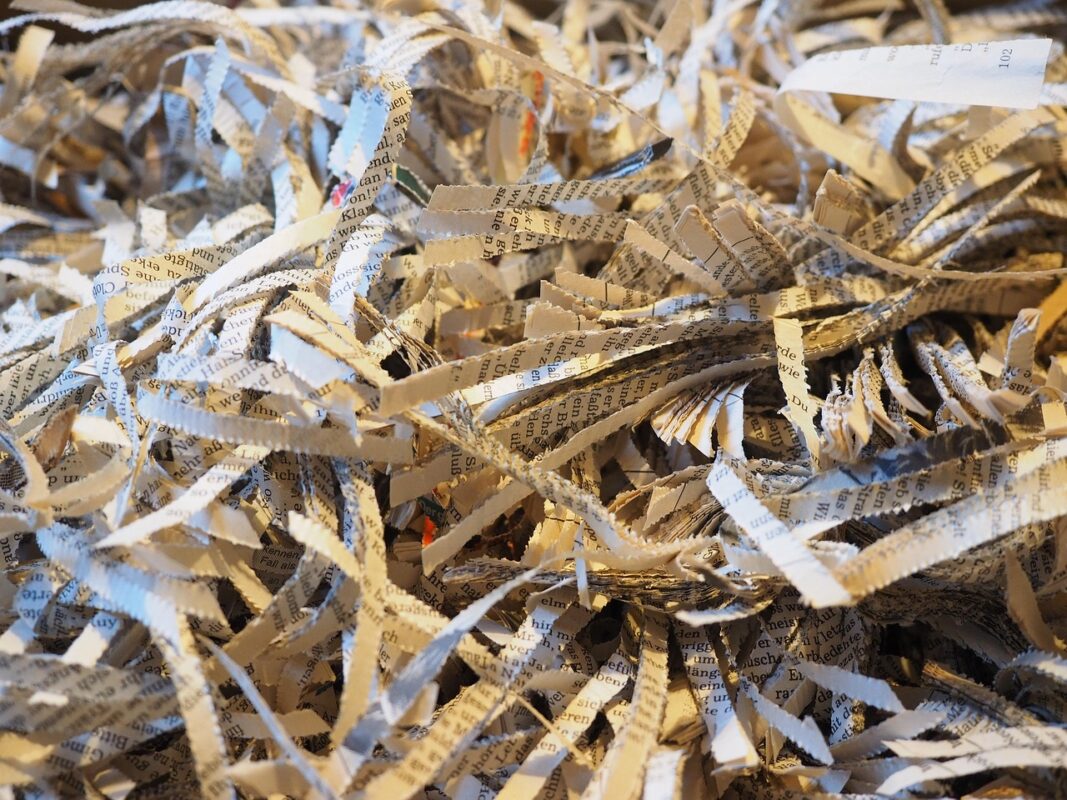
An auto-feed shredder takes a stack in a closed hopper and works through it unattended. A manual machine takes what you feed it. The choice is less about volume than about whether anyone is willing to stand there.
What auto-feed actually saves
Not shredding time — the cutters run at similar speeds. What it saves is your time. Two hundred sheets fed by hand is roughly twenty minutes of standing and feeding. The same stack in a hopper is thirty seconds of loading.
That is the entire value proposition, and it is a real one in an office where the alternative is that nobody shreds anything because nobody wants to stand there.
When auto-feed is worth it
- Shared office where shredding is nobody’s named job
- Periodic archive clearances rather than daily trickle
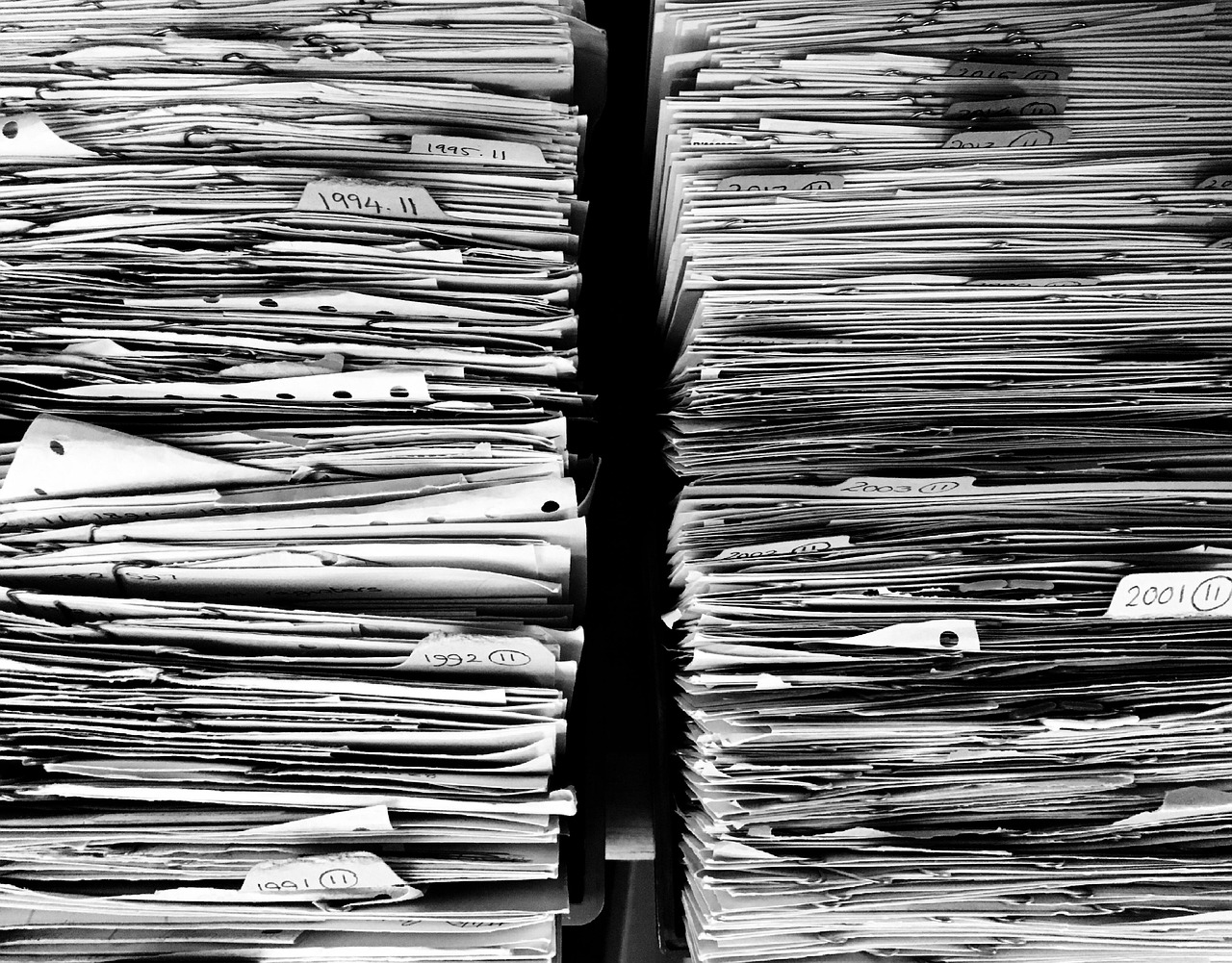
- Anywhere the current situation is a full box of paper that has been waiting three months
- Users for whom standing and feeding is physically difficult
When manual is the better buy
- A few pages a day. A manual machine is cheaper, smaller and lasts as long.
- Mostly stapled or folded documents — auto-feed hoppers generally will not take them, so you would be using the manual slot anyway.
- Limited space. Auto-feed machines are noticeably larger for the same bin volume.
- Mixed material — cards, discs, envelopes. All of it goes through the manual slot.
The specifications that matter on auto-feed
Hopper capacity versus duty cycle
The mismatch to watch for. A 100-sheet hopper paired with a 5-minute duty cycle will stop partway through its own load and need half an hour to cool. Check that the machine can finish a full hopper in one run — that is the question the specification sheet is really answering.
Whether it separates sheets reliably
The mechanism has to pick one sheet at a time off the stack. Cheaper implementations take two or three, which means an effective capacity well below the rating and occasional jams. Paper condition matters here: curled, stapled or previously folded sheets separate badly.
The manual slot
Every auto-feed machine should have one, because you will always have material the hopper cannot take. Check its sheet capacity separately — it is usually much lower than the hopper figure, and it is the number that applies to your stapled documents.
Whether the hopper locks
A lockable hopper matters in a shared office: it means someone can load sensitive documents and walk away without leaving them in an open tray.
Noise
Auto-feed machines run for longer in a single stretch, unattended, which makes noise more noticeable than raw decibels suggest. A machine that runs for eight minutes in a shared room is different from one that runs for thirty seconds. If the machine will sit in an open-plan space, this is worth thinking about before it arrives.
A reasonable middle position
For many small offices, the right answer is a good manual machine with a high sheet capacity — 16 to 20 sheets — rather than a cheap auto-feed. It handles the daily trickle well, takes staples, and costs less. Then, when there is an archive to clear, that is a job for a service rather than a machine.
Whichever you buy
Match the duty cycle to the session length you actually intend, and check the bin volume. Those two decide whether the machine is pleasant to own.
Compare our Auto-Feed and Cross-Cut ranges, or tell us your volumes and we will suggest a size.